
Moreover, by jumping in as a mediator while having a defence pact with Saudi Arabia, which has been pounded by Iran, it seemingly upset both sides – Iran as well as its Gulf allies. It has reportedly displeased Saudi Arabia. The UAE, with which ties have lately come under strain, has rubbed it in by asking a cash-strapped Pakistan to immediately pay back a $3.5 billion (Rs 2.9 lakh crore) loan.
In the end, amid such a high-stakes conflict, Pakistan’s ploy of trying to please all sides seems to have ended up pleasing no one. “It seems like Pakistan has massively overplayed their hand,” tweeted geopolitical analyst Daniel Bordman.
INDIA’S MEASURED APPROACH
It contrasts the approach taken by India. Since the war started on February 28, India has maintained a measured approach, diversified its crude oil sources, while focusing on securing its energy interests. In fact, Pakistan’s emerging as a mediator in US-Iran talks was framed as a setback for India. Then, External Affairs Minister S Jaishankar, briefing an all-party meeting, asserted that India cannot act as a “dalal nation” in geopolitics.
It seems Pakistan’s overt optimism and attempt to punch above its weight failed to yield dividends for now. On the other hand, through its cautious approach, India has refused to let any one partnership become a trap.
PAKISTAN’S MEDIATION BID HITS DEAD END
So far, Pakistan has mostly acted as a messenger between the US and Iran. On March 25, Pakistan conveyed to Iran a 15-point ceasefire proposal from the US. It included abandoning its nuclear program and reopening the Strait of Hormuz. Iran, however, publicly responded with a five-point counteroffer.
Throughout, Iran has rejected any suggestions that it was engaging in mediation efforts by Pakistan. “Pakistan’s diplomatic forums are their own. We didn’t participate,” Iran said in a statement last week.
Crucially, Pakistan has so far not been able to bring Iran and the US to the negotiating table. For the past couple of weeks, a possible meeting between Iranian officials, including the Parliament Speaker, and US Vice President JD Vance in Islamabad was floated.
But it has come to nought after Tehran formally said it was unwilling to send officials to Islamabad for talks, The Wall Street Journal reported. A report in News18 said plans by a Vance-led delegation to travel to Islamabad got postponed twice.
The breakdown has put peace efforts in limbo. The other two mediators, Turkey and Egypt, are now looking at alternative sites to host the talks. Qatar or Istanbul are high on the list, as per the WSJ report.
The development suggests Tehran’s growing trust deficit with Islamabad, which shares a 1,000 km border with Iran.
Pakistan has emerged as an open supporter of Trump and also has a NATO-style defence agreement with Saudi Arabia, which is already involved in the conflict. As per the pact, an attack against one country will be considered an attack against both. And Pakistan, with its economy already in shambles, is wary of getting dragged into an endless war. It is one of the likely reasons why Pakistan thrust upon a war with Afghanistan despite a ceasefire being in place.
Islamabad wanted a quick end to the Iran war.
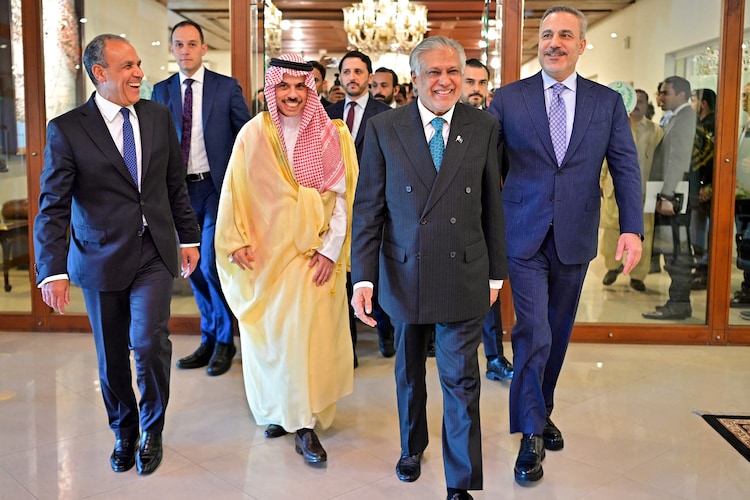
Over the past 10 days, Pakistan has been running pillar to post to facilitate talks and end the war. It hosted talks with Saudi Arabia, Egypt and Turkiye last weekend to try and build momentum for direct talks. Its Foreign Minister Ishaq Dar also visited China earlier this week to try and secure Beijing’s support for mediation efforts.
But it eventually hit a dead end. Author and journalist Zahid Hussain, writing for The Dawn, argued that Pakistan didn’t have the leverage necessary to bring both sides to the negotiating table.
“Pakistan massively overplayed its hand and now is paying its real cost. This is what happens when one believes that buying swanky headlines globally will automatically fetch them leverage as well. It ended up buying them major embarrassment instead,” geopolitical expert Raja Muneeb tweeted.
ADDITIONAL SETBACK
However, an additional setback came in the form of the UAE. Amid a strain in ties, the UAE has now asked Pakistan to immediately pay back a $3.5 billion loan. While Abu Dhabi has not cited any reason, reports suggest that it is unhappy with Islamabad’s perceived closeness to Iran amid the conflict.
The UAE has faced the brunt of Iran’s retaliation. Since the start of the conflict, Iran has launched over 2,500 missiles and drones towards the UAE – more than at any other country. The issue was reportedly raised by the UAE during Pakistani army chief Asim Munir’s meeting with the Emirati leadership in Abu Dhabi.
Pakistan has said it would repay the loans in phases by May, according to a report in Geo News. In the past, Gulf countries like the UAE gave Pakistan time to repay, in what is known as a rollover arrangement. Under the International Monetary Fund (IMF) programme, countries like the UAE and Saudi Arabia helped maintain foreign reserves. However, the conflict seems to have changed the situation.
The move will undoubtedly put pressure on Pakistan’s foreign exchange reserves. Its fragile economy, which is dependent on loans from global financial bodies and the Gulf states, is already under strain due to the Iran war.
The global energy shock has forced Pakistan to increase fuel prices by over 40%, cut government spending, shut schools and mandate WFH for its employees.
In the end, Pakistan’s overzealous attempt to play peacemaker in the US-Iran war has instead exposed the limits of its influence. With strained ties across the Gulf and a rebuff from Iran, Pakistan now finds itself saddled with a diplomatic mess and economic stress.
– Ends
Tune In
About the Author

Discover more from InfoVera Online
Subscribe to get the latest posts sent to your email.


